How a Retired Headmistress Helped Me Talk to My Son About What He Saw Online Without Shouting, Without Shame And Why He Actually Listened
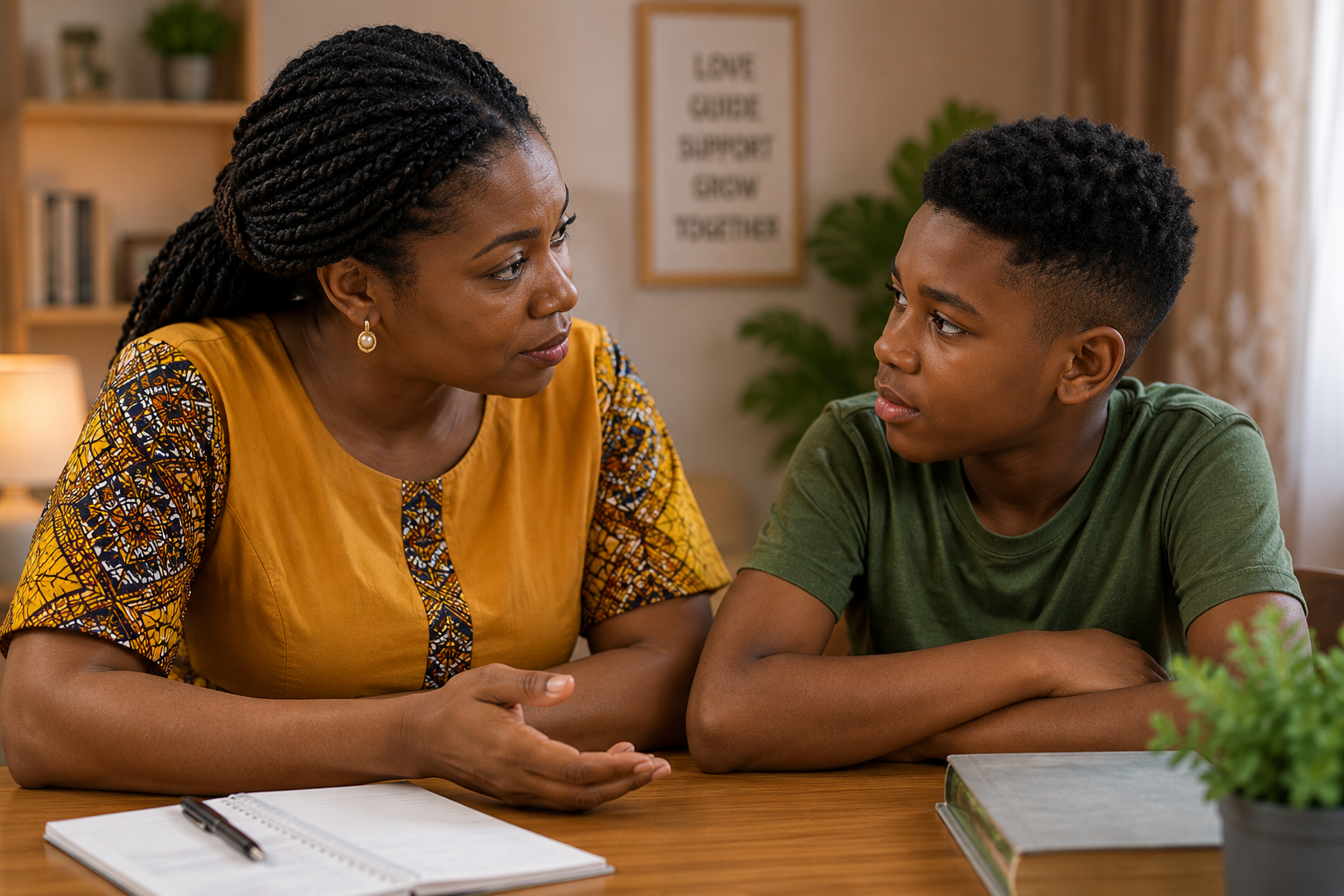
If you discovered today that your child had seen something explicit online, and you had no idea what to say, no idea how to start the conversation, and no idea whether staying silent would make it worse or saying the wrong thing would scar them for life read every word on this page.
Because if you are the parent who found the browser history.
The parent who walked in at the wrong moment.
The parent whose child said something that stopped your heart and you smiled and changed the subject because you panicked.
Then I am writing this for you.
You have probably tried to handle it already. Maybe you deleted the history and said nothing. Maybe you took the phone. Maybe you gave a lecture that felt wrong as the words were leaving your mouth.
Maybe you prayed it would just go away. That they are young enough that they will forget it.
But you know it doesn't work that way. Because you have not forgotten it. And neither have they.
The real fear is not the image they saw.
The real fear is what it is doing inside their little head. Right now. Without you.
You are imagining them confused. Ashamed. Asking questions they don't know how to ask you. Or worse asking someone else. A classmate. The internet.
You are imagining this moment planting something in them. A warped idea about bodies, about love, about what men and women are to each other. And you, the parent the one person who should have caught it standing on the outside of their mind, helpless.
And the worst part?
Nobody taught you what to say. Your own parents never discussed these things with you. You were African, and in African homes, these conversations did not happen. You survived. But you have carried things in silence for years that you wish someone had explained properly when you were young.
You will not let your child carry the same silence.
But you do not know how to break it.
I know, because I was that parent too. Sitting in my kitchen. Phone in my hand. Shaking.

My name is Onyinye.
I am not a child psychologist. Not a counsellor. Not a school therapist with framed certificates on the wall.
I am just a mother who spent three years inside this fear. Who made every mistake a parent can make. And who by a stroke of grace found herself in the right room, with the right woman, at the right time.
I am originally from Enugu State. I live in Lagos now. My son Emeka was seven years old when it happened. We were a careful family. We had rules. No unsupervised devices. A children's YouTube profile. A family filter on the router.
None of it mattered.
He saw what he saw through a classmate's phone. One lunchtime at school. And he came home different. I didn't notice it immediately. But something had shifted. He was quieter. He looked at me sometimes in a way I couldn't name. And one night, while I was putting him to bed, he asked me something so specific, so adult, that I had to leave the room.
I told myself I would handle it properly. Tomorrow. When I had the right words.
Tomorrow became next week. Next week became next month.
I bought books. I watched YouTube videos by American child therapists who talked about "age-appropriate conversations" in ways that had nothing to do with my life, my home, my culture, or the God I feared and raised my son in.
I tried to start the conversation three times. Each time I became stiff and clinical and he looked at me with confusion and I changed the subject to homework.
I took his school tablet. He didn't understand why. I couldn't explain.
By the time Emeka was eight, I had spent money on parental control apps, a Christian course on purity culture that felt shaming and cold, and two books from the US that arrived in Lagos damaged by the rain. None of it gave me what I actually needed.
What I needed was someone to tell me how to sit with my child and speak — in a way that was honest, warm, African, and real. Without making him feel dirty. Without making it worse.
Nobody told me. No doctor asked what was happening at home. No teacher offered guidance. And I spent those months carrying a quiet weight that made me feel like a failed mother.
The weight was not just the worry about Emeka.
The weight was the guilt. That it happened on my watch. That I did not catch it. That every day I delayed, something in him was being shaped by silence instead of truth.
The Discovery That Changed Everything
In January of last year, my mother-in-law passed away in Anambra State. We travelled for the funeral rites the kind that last several days and involve the entire extended family. Cousins, in-laws, neighbours, church members, the umunna. Everyone gathered. The compound was full from morning to night.
On the third day, I found myself sitting with the older women of the family the grandmothers, the aunties who had watched us all grow up. They were shelling ede and talking in the way that only old women talk freely, wisely, without any of the performance that younger people put on.
One of them was Mama Ngozi. She was a retired headmistress from the Government Girls' Secondary School in Awka. She had spent over thirty years educating young people. She was eighty-one. Sharp. The kind of woman whose silence in a conversation made everyone else wait.
I don't know how it came up. Perhaps because I was tired and not guarding my words carefully. But I mentioned Emeka said something small about children and phones and the things they see. Just a fragment.
Mama Ngozi stopped shelling.
She looked at me with an expression I recognised. Not pity. Recognition. As if she had seen this before many times and had been waiting for someone to say it out loud.
She did not speak in the group. But later that evening, she found me alone in the kitchen.
She sat down across from me. And she said the five words I had needed for three years.
"Your child is not damaged."
I started to cry. Not graceful tears. The kind that come from somewhere very deep. The kind that means you have been holding something for too long.
She let that settle. Then she continued.
Here is what nobody told me, and what no parental control app will ever solve.
Your child's mind has a natural mechanism for processing confusing or distressing experiences. When something disturbing happens and a trusted adult speaks to it names it, frames it, gives it meaning the child's mind can integrate it and move forward. But when something disturbing happens and everyone around the child stays silent, that mechanism breaks. The confusion stays open. It becomes a question without an answer. And children's minds do not leave questions unanswered for long. They fill the silence themselves — with shame, or with curiosity that leads them deeper into the wrong places.
The exposure itself is not what shapes them. It is what happens in the days after the exposure whether a parent showed up or disappeared that leaves the lasting imprint. That is the First Exposure Imprint. And you still have time to write it.
I sat with that for a long time.
Three years. How much time had I spent buying apps, locking devices, avoiding the conversation, hoping the memory would fade on its own? All of it every naira, every sleepless night, every book from America that didn't speak to my child's world none of it had addressed the actual thing.
The silence. My silence.
It took one woman eighty-one years old, shelling ede in a compound in Anambra to tell me what was actually happening.
She then described what I needed to do. A method so simple I almost dismissed it. No apps. No courses. No scripts downloaded from a Western website. Just a specific way of approaching your child, specific words to use, a specific order of things to say and a specific thing to listen for in what they say back.
No shouting. No shame. No lengthy lecture that makes the child shut down. The whole thing, done correctly, takes less than fifteen minutes. You do it at home. In your normal environment. It feels like an ordinary conversation but what it does underneath is close the open question in your child's mind, replace confusion with understanding, and restore you as the person they trust to bring their questions to.
The First Few Days: Nothing
I came back to Lagos with Mama Ngozi's words in my head. But it took me four more days to act on them. Old habits.
Day 1: I told myself I was not ready. I tidied Emeka's room instead.
Day 2: I started to rehearse what I would say. It felt unnatural. Too formal. I stopped.
Day 3: I almost started the conversation at breakfast. He was eating cereal. I looked at him. I looked away.
Day 4: I remembered what Mama Ngozi had said about silence. About how every day of silence is another day of the child building the story alone. I made a decision that night.
Day 5: The First Sign
The next evening, I sat with Emeka after his homework. I followed Mama Ngozi's steps. Exactly as she described.
The first thing I noticed was how he looked at me.
Not the nervous sideways look he had been giving me for months. He looked at me directly. The way he used to, when he was smaller. As if he had been waiting. As if part of him had always known I would eventually come to this conversation, and the only question was when.
He did not say much. But he asked one question. A small one. And I answered it. Honestly. Calmly. In language he could understand, that felt like us, like our family, not like a textbook.
He nodded. And then he asked to watch his show.
That was it. No dramatic breakthrough. Just one small question answered, at last, by the right person.
Day 6. Day 7. And Then Something Broke Open.
Over the next two days, he came back. Small moments. A question at dinner. A comment in the car. Each time, I was ready — because Mama Ngozi's method had given me a framework, not just a script. I could respond to whatever he brought.
By the end of the second week, something had shifted so completely that I almost couldn't name it at first.
I realised it when I was making jollof on a Saturday afternoon and Emeka walked in and just started talking to me. About nothing. About his friend's new sneakers and a football match and something funny that happened at school. Just talking. Like he used to.
He had not talked to me that easily in over a year.
And then I realised I had not been checking. I used to check on him obsessively watching for signs, monitoring his mood, scanning his face for whatever I feared I had missed. I had stopped doing that.
I had not checked in four days.
For a parent who had been watching her child's every expression for nearly three years forgetting to check was the only proof that actually mattered.
But the real test was still ahead.
The Evening He Came to Me First
About three weeks after I followed Mama Ngozi's method, Emeka knocked on my bedroom door after nine PM. I was already tired, already in bed.
He came in and sat on the edge of the bed. He was quiet for a moment. And then he said: "Mummy, can I ask you something? Something private?"
Private. My nine-year-old said private.
He asked me something I will not share here. Something that told me he had seen something else, a second thing, smaller, on a different classmate's phone. And instead of carrying it alone, instead of going to Google, instead of asking a boy at school, he came to me.
I answered him. Calmly. Using what Mama Ngozi had taught me.
He said "Okay, Mummy" and hugged me and went back to his room.
I sat in the dark for a long time after that. Not from fear. From something I had not felt in years on this subject.
Relief. Pure, quiet relief.
He came to me first. That is the only thing that matters. Not the apps. Not the filters. Not the locked devices. He came to me.
I Did Not Plan to Tell Anyone
I told one person. My neighbour, Chisom. She has two boys, nine and eleven. I told her what Mama Ngozi had shared with me, what I had done, what had shifted.
She was silent for a long time. Then she said: "Onyinye. My eleven-year-old. I need this."
Chisom tried the method. Then she sent a voice note to her church group. That voice note went to three other women. And the messages started coming.
"I caught my twelve-year-old on a website I cannot even describe. I was shaking for three days. I shouted. I took everything. He stopped speaking to me. For two weeks, total silence. Then I tried Onyinye's method, just sat with him, followed the steps. The next evening, he came and said sorry. Not because I asked him to. Because he wanted to. That was four months ago and we talk more than we ever have."
"My daughter said something at dinner that made my husband put his fork down. We sent the kids upstairs and just looked at each other. We had no idea. A classmate had shown her something at a birthday party. I used this guide for my daughter, the language is perfect for girls too. She asked me questions I never expected. I answered every one. And she still asks me things now. She has not stopped asking. I am the person she brings her questions to."
"In our house, these things are not discussed. That is how I was raised. But I knew that silence was hurting my son. He was withdrawn, he was watching me strangely, and I was too afraid to find out why. This guide gave me the words I needed in a way that fits our home and our values. I did not have to compromise who we are. My son opened up more in that one conversation than in the previous year combined."
"Onyinye, I want to cry writing this. My son is eight. Eight years old. And he had seen things I cannot even type. I was devastated. I read this guide in one sitting. I followed every step. That weekend, I sat with him. He talked. He actually talked to me. He said 'Mummy I was confused and I was scared to tell you.' My baby was scared to tell me. This guide gave us back to each other."
"There is no father in the house and I was terrified about having this conversation alone. Who was I to talk to my son about these things? This guide made me understand that I am exactly the right person. Not a therapist. Not a school counsellor. Me. His mother. I followed the steps and my son looked at me at the end and said 'Mummy, you're not angry?' I told him I was not angry. I was proud of him for listening. He cried. I cried. We are okay."
"I bought every parenting book from the US. Not one of them understood my home, my culture, my religion, or my children. This guide does. It reads like it was written by someone who knows exactly what an African mother is carrying right now. I have recommended it to every mother in my estate."
Same conversation. Same steps. Same method. Same result.
Why I Am Sharing This
When I returned to Anambra for the second visit, I told Mama Ngozi what had happened. What had shifted in Emeka. The voice notes. The other mothers. The way it had spread, woman to woman, the way important things always spread in our communities.
She laughed. The full, unsurprised laugh of a woman who has seen the world long enough to know that truth always finds its way.
I asked her if I could write it down. If I could put it into something that mothers across Nigeria — across Africa — could access. Not just the mothers who happened to be in the right compound at the right funeral. All of them.
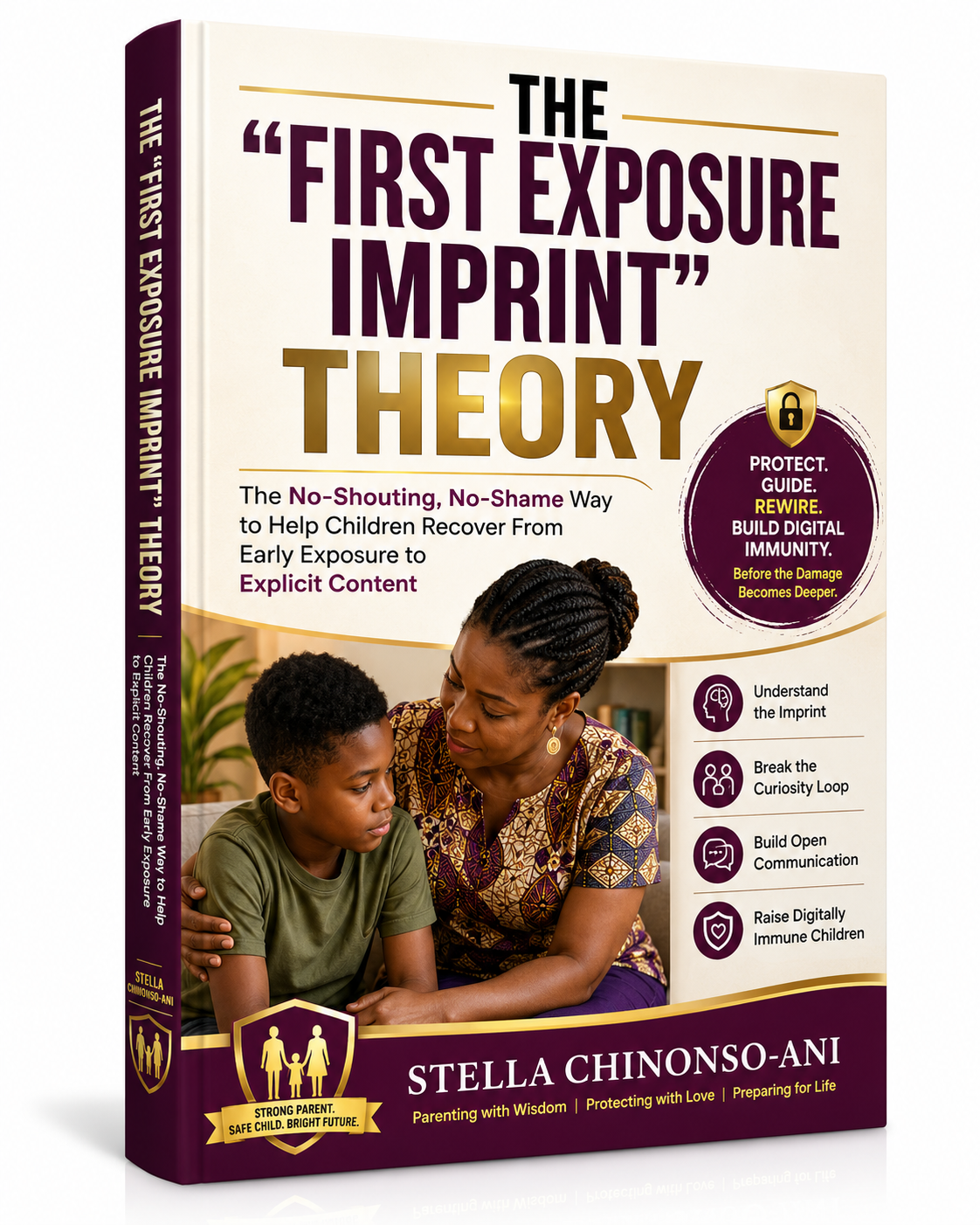
Everything Mama Ngozi taught me every insight, every step, every word documented, verified, and written in plain language that any parent can follow tonight. No jargon. No assumptions. No scripts that sound nothing like you.
So you can have the conversation that needs to happen. And have it correctly.
- The First Exposure Imprint Method (Core Steps). The exact sequence for approaching your child after they have seen explicit content online what to say first, how to open the space, and how to know when they have truly processed it. (Pages 8–19)
- The Age-by-Age Language Guide. Exactly what words to use depending on your child's age: 5 to 7, 8 to 10, and 11 to 13, so the conversation fits where they are developmentally, not just what you assume they can handle. (Pages 20–30)
- The #1 Mistake Parents Make After Discovery. It is not shouting. Most parents now know not to shout. The real mistake is far more common and far more damaging and almost every parent makes it without knowing. (Page 31)
- The 5 Questions Your Child Is Already Asking Themselves. Your child has been running these questions silently since the exposure. This section shows you exactly what they are so you can answer them before they find the wrong answers elsewhere. (Pages 33–38)
- The Trust Signal, What to Listen For. One specific thing your child will say or do that tells you the conversation has landed, the confusion has been resolved, and they now see you as a safe person. How to recognise it. How not to miss it. (Pages 39–41)
- The Digital Habits Reset. Screen rules and device boundaries that actually work, not because they lock children out, but because the child understands why and agrees to them. A boundary the child helped make is a boundary they will keep. (Pages 42–48)
- The Repeat Incident Protocol. What to do if it happens again. Because it may. And the parent who has already had the first conversation is in a completely different position the second time. (Pages 49–53)
- The Extended Protocol for Severe or Long-Delayed Cases. For parents who are reading this months or years after the exposure. When more damage has been done by silence than by the content itself, there are specific additional steps. (Pages 54–60)
You do not need to travel anywhere. You do not need a therapist's appointment. You do not need to wait for a better moment. Everything in this guide can be done at home, in your own language, in your own way. Total cost of materials? Zero the method requires nothing except your presence and your words.
Compare That to What You Have Already Been Spending
How Much Does This Guide Cost?
Let me be honest about what went into creating it.
The research and documentation of Mama Ngozi's method, the consultation with two Nigerian child development specialists who reviewed the content, the cultural adaptation, the writing, the editing, the design, and the digital setup — the full cost of producing this guide was not small.
- Research and documentation — ₦45,000
- Cultural and developmental review — ₦60,000
- Writing and editing — ₦55,000
- Design and layout — ₦30,000
- Digital platform and delivery setup — ₦22,000
- Total production cost — ₦212,000
A fair price for this would be ₦25,000 or more. That is less than one session with a child counsellor. Less than most of the apps and courses that didn't work.
But I know times are hard. I know what parents are carrying right now, financially, emotionally, practically. So if you take action today
Once You Click That Button, Here Is What Happens
- You are taken to a secure payment page. Choose your preferred payment method.
- Complete your payment. It takes less than two minutes.
- Your guide, and all three bonuses, are delivered directly to your WhatsApp and your email within 60 to 90 seconds. No waiting. No delays.
It is me, Onyinye. As long as your payment is confirmed, your access is 100% guaranteed. I deliver personally.
What Happens In The First 7–14 Days
Real conversations. Real mothers. Real results.
WAIT, I Have Something Special For You…
If you are one of the first 200 mothers to pay today, you receive all three of these bonuses — free — alongside your guide.
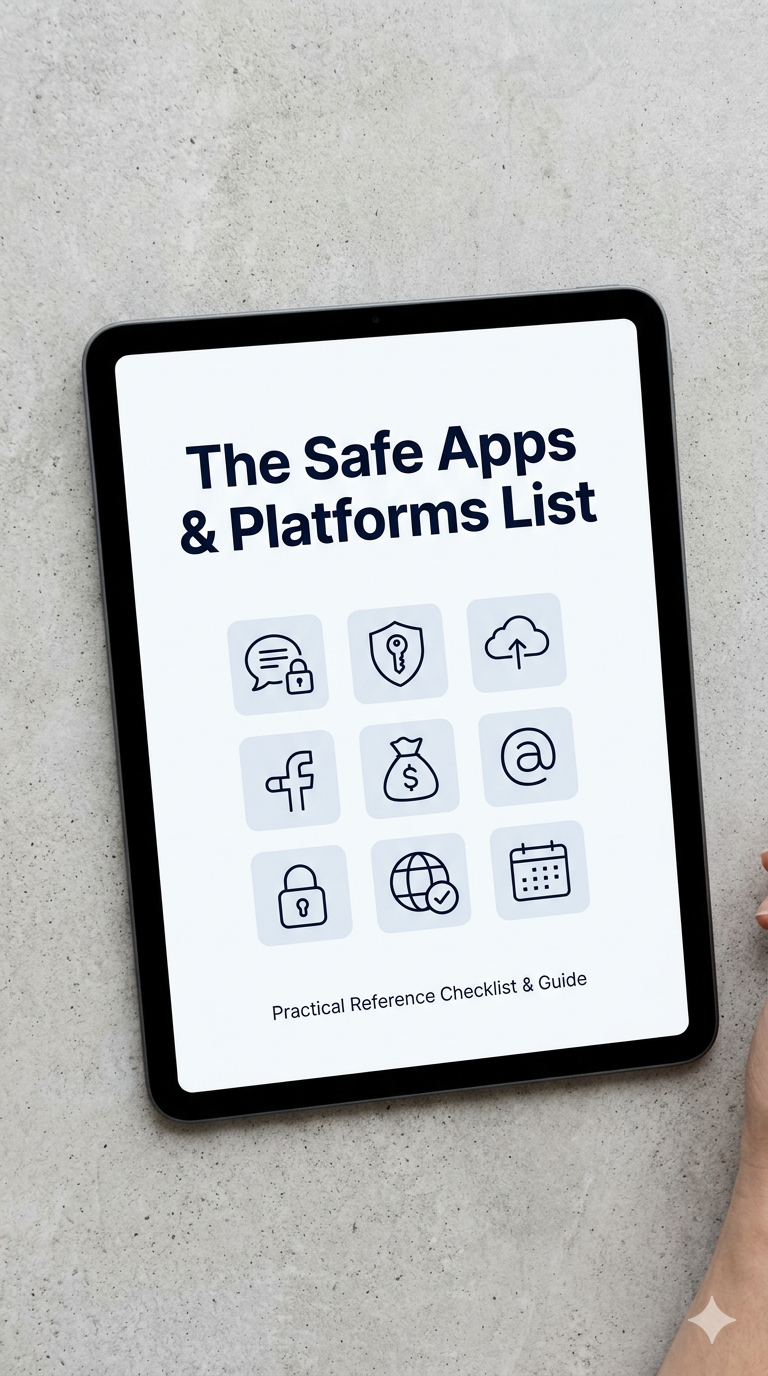
Every digital platform your child uses, ranked by risk level, from safest to most dangerous, with simple notes on why and what to do about each one. So you can make informed decisions, not panicked ones.
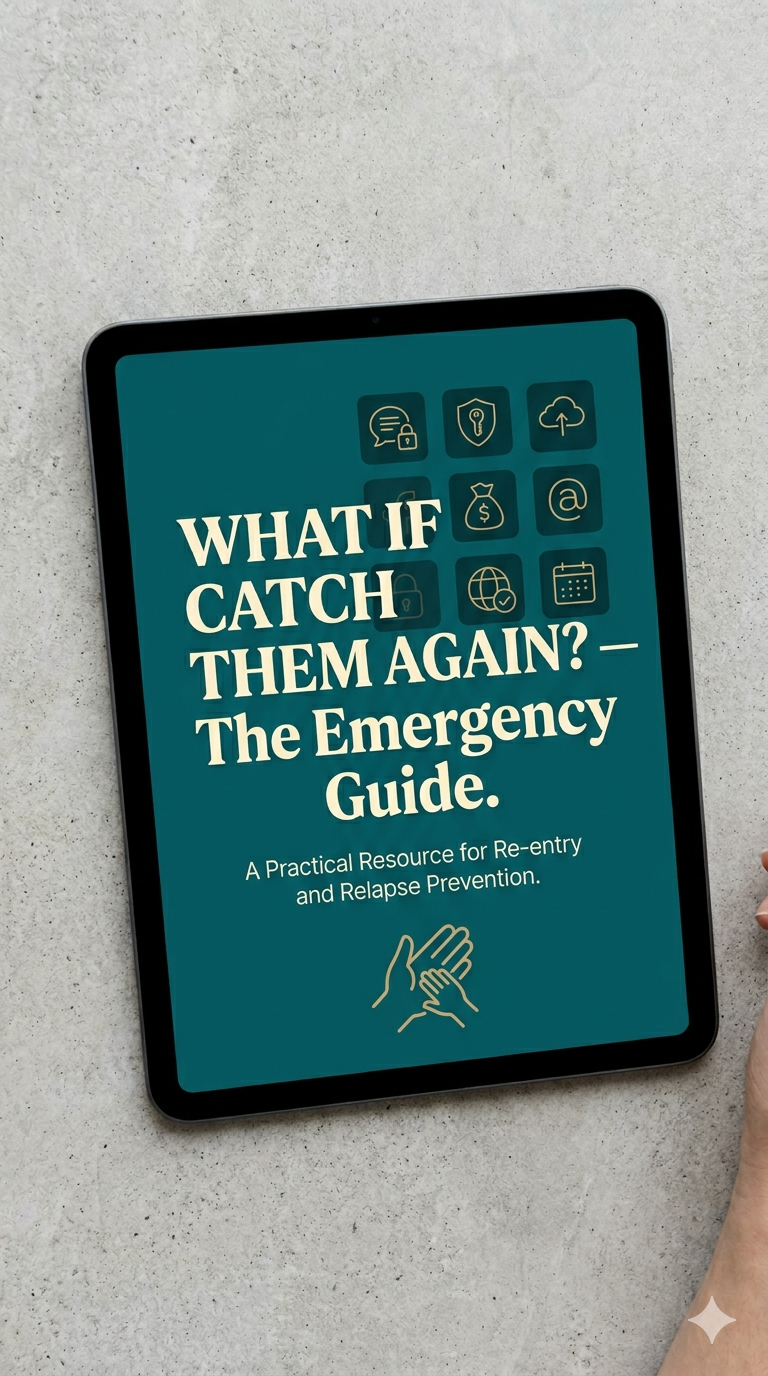
A calm, step-by-step action protocol for repeat incidents. Because the parent who has already had the first conversation is in a different position the second time, and this guide makes sure you know exactly what to do.
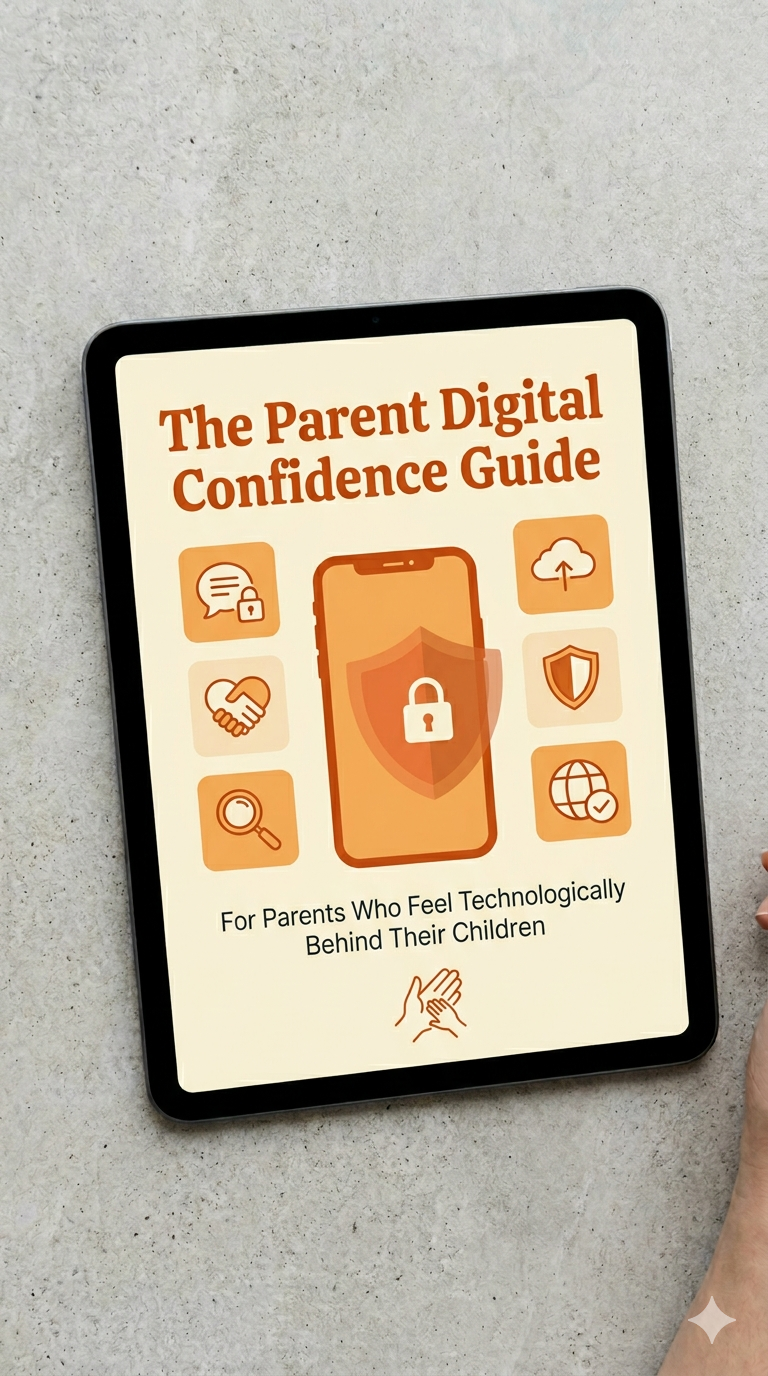
For parents who feel technologically behind their own children. Plain explanations of the platforms children are using, the risks that are specific to African internet access, and how to have conversations about digital life without needing to be a tech expert.
Everything You Are Getting Today
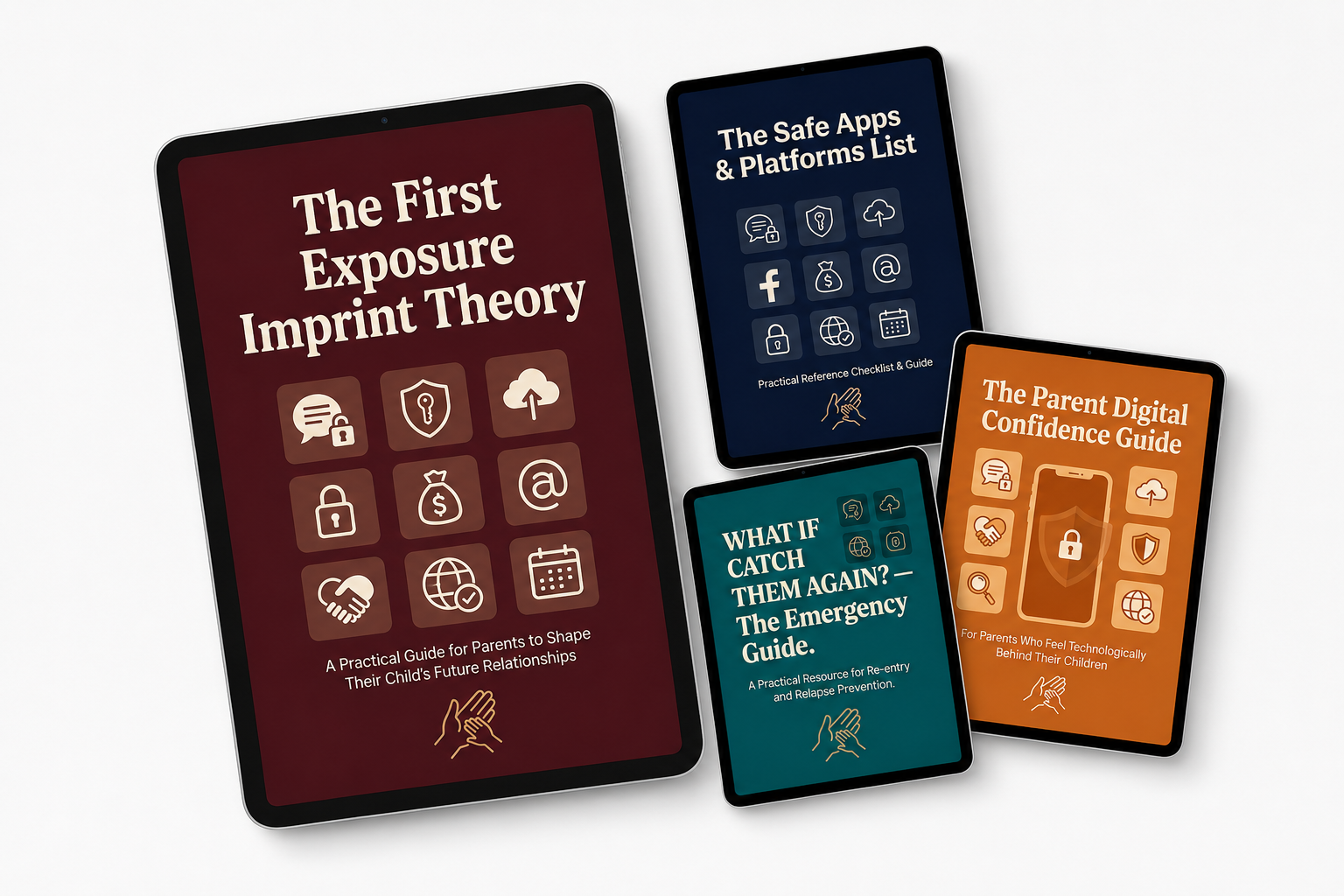
- The First Exposure Imprint Theory (Main Guide) —
₦15,500 - Bonus 1: The Safe Apps & Platforms List —
₦4,500 - Bonus 2: The "What If I Catch Them Again?" Emergency Guide —
₦5,000 - Bonus 3: The Parent Digital Confidence Guide —
₦4,000
Right Now, You Have Two Choices
If you close this page
- The confusion in your child stays open. Unanswered. Growing.
- They continue finding answers somewhere else, classmates, YouTube, curiosity.
- The distance between you and your child remains.
- The next incident finds you just as unprepared as this one did.
- You carry the weight of knowing you could have acted, and didn't.
If you take action today
- You have the conversation that needs to happen. Tonight, if you choose.
- Your child learns that you are the safe person to bring their questions to.
- The confusion is closed, by you, with love, before the internet does it without you.
- You become the parent who acted. Not the parent who waited.
- The First Exposure Imprint is written by you, not by silence.
+ All 3 Bonuses Included
30-Day Money-Back Guarantee
Follow the protocol exactly as described for 30 full days. If you do not see a meaningful shift in how your child relates to you around these topics a new openness, a new willingness to come to you. I will refund every naira. No questions asked. No forms to fill. I stand behind this completely.
One Last Thing...
Picture yourself one month from today.
Will your child come to you, instead of the internet, when something confuses them?
Will you be the parent who finally answered the question that has been sitting between you for months?
Will you know, for certain, that the First Exposure Imprint in your child's mind is one of safety, love, and truth? Not shame. Not silence. Not confusion that grew in the dark.
Will you sleep without this weight?
Now picture yourself one month from today if you close this page. Nothing changes. The question stays open. The distance stays. The next incident catches you just as unprepared as this one did.
The difference between those two versions of you is a decision you make in the next sixty seconds.
Yes! I Choose My ChildIf you have read this far and you are still hesitating —
I want you to ask yourself something honest.
Is it that you don't believe the method works? Or is it that somewhere deep down, you don't believe you deserve to have a child who trusts you with their hardest questions?
Because the mothers who hesitate here are not hesitating about the money. N6,500. You have spent more than that on parental control apps that did not stop anything.
They are hesitating because acting means facing what they have been avoiding. The conversation. The truth of what their child has been carrying alone.
That is not a reason to wait. That is the reason to go.
If you cannot invest N6,500 in becoming the parent your child brings their confusion to, how do you expect your child to invest their trust in you?
Stop hesitating. Choose your child. Choose yourself.
I Am Ready! Take Me to PaymentP.S. — The 30-day money-back guarantee is real. Follow the protocol. If nothing shifts in your child's willingness to come to you, I refund you completely. You risk nothing except another month of silence.
P.P.S. — This price of N6,500 is for the first 200 mothers only. Once those spots are filled, the price returns to N15,500. Do not close this page and assume it will be here at this price tomorrow.
P.P.P.S. — Every day you wait is another day your child answers their questions without you. Another day the First Exposure Imprint is being written by something other than your voice, your love, your truth. The window is still open. Do not let it close.
Frequently Asked Questions
How is the guide delivered to me?
The moment your payment is confirmed, the guide and all three bonuses are sent directly to your WhatsApp number and your email address within 60 to 90 seconds. You do not need to wait or download from a complicated website. It arrives in your phone immediately.
Are the things I need easy to find in Nigeria?
Yes, because you need nothing physical at all. The method uses only conversation: specific words, in a specific order, at a specific moment. You do not need to buy anything, go anywhere, or have any special equipment. Only your presence and your willingness to speak.
What if my child saw something a long time ago, months or even years?
There is a specific section in the guide for exactly this: the Extended Protocol for Severe or Long-Delayed Cases, pages 54 to 60. When more damage has been done by prolonged silence than by the content itself, there are additional steps required. It is not too late. But the longer the delay, the more important it becomes to follow the extended protocol precisely.
What if my husband or partner does not want this discussed with the child?
This comes up often. The guide includes a section on navigating a home where one parent is resistant. Most resistance is rooted in the same fear as yours, not knowing what to say, and worrying that saying anything will make it worse. Start the conversation with your child. The shift that follows tends to change the resistant parent's mind faster than any argument.
Is the guarantee real? What do I do to get a refund?
Yes. It is real. Follow the protocol for 30 days. If you do not see a meaningful shift, your child becoming more open with you, more likely to bring their confusion to you rather than elsewhere, simply send me a WhatsApp message within those 30 days. I will refund your full N6,500. No forms, no arguments, no conditions beyond having genuinely followed the steps.
Why is this different from everything else I have tried?
Everything else was designed to prevent exposure. This guide is designed for after exposure, which is a completely different problem. Prevention matters, but once a child has seen something, the question is no longer how to stop it. The question is how to shape what it means to your child before something else does. This guide answers that question, in plain language, rooted in African family values, tested by real Nigerian mothers with real children.
Comments (214)
This article hit me like a stone. My son is nine and I have been avoiding this conversation for months. I kept telling myself he is still young. But reading this I realised — he is already asking questions. Just not to me. Buying the guide right now.
Like (47)As a father, I want to say this article is for us too. The assumption is always that the mother handles these things. But I found the history on my son's phone. I am the one who needs to speak to him. Does this guide work for fathers also?
Like (38)Taiwo — yes. Absolutely for fathers. The guide is written for any parent. A father's voice in this conversation is powerful. Please do it.
Like (62)I showed this page to my husband and he said "these things are not for children to know." But then I showed him the part where Mama Ngozi explains that the silence is what damages them — not the conversation. He sat quietly for a long time. Then he said "order it." Alhamdulillah.
Like (91)I already bought and finished the guide. The section on "The 5 Questions Your Child Is Already Asking Themselves" made me put the guide down and just sit. Because I had asked myself every one of those questions when I was a child. And nobody answered them for me. I am making sure my daughter is different.
Like (74)I recognised this story immediately 😂 I was one of the women in that church group who got Chisom's voice note. Onyinye this guide changed my home. That is all I will say. Changed. My. Home.
Like (108)Leave a Comment